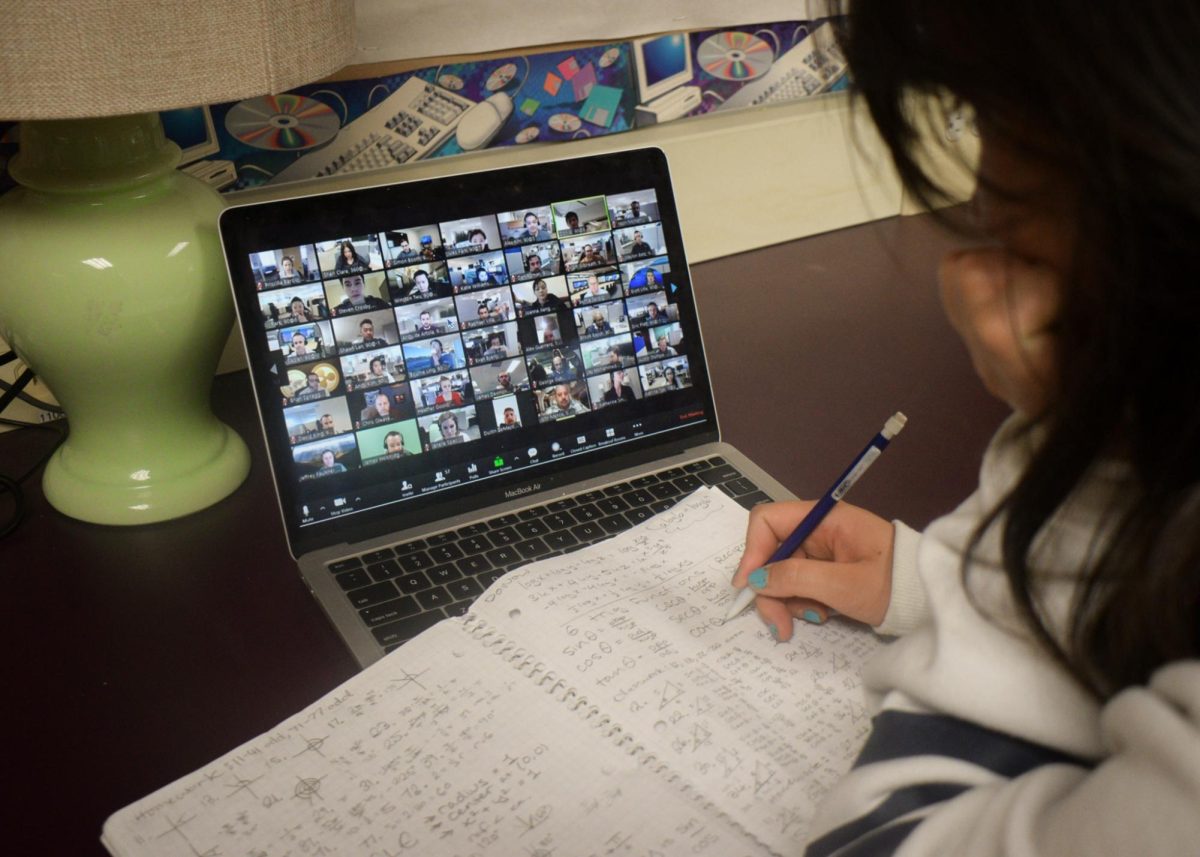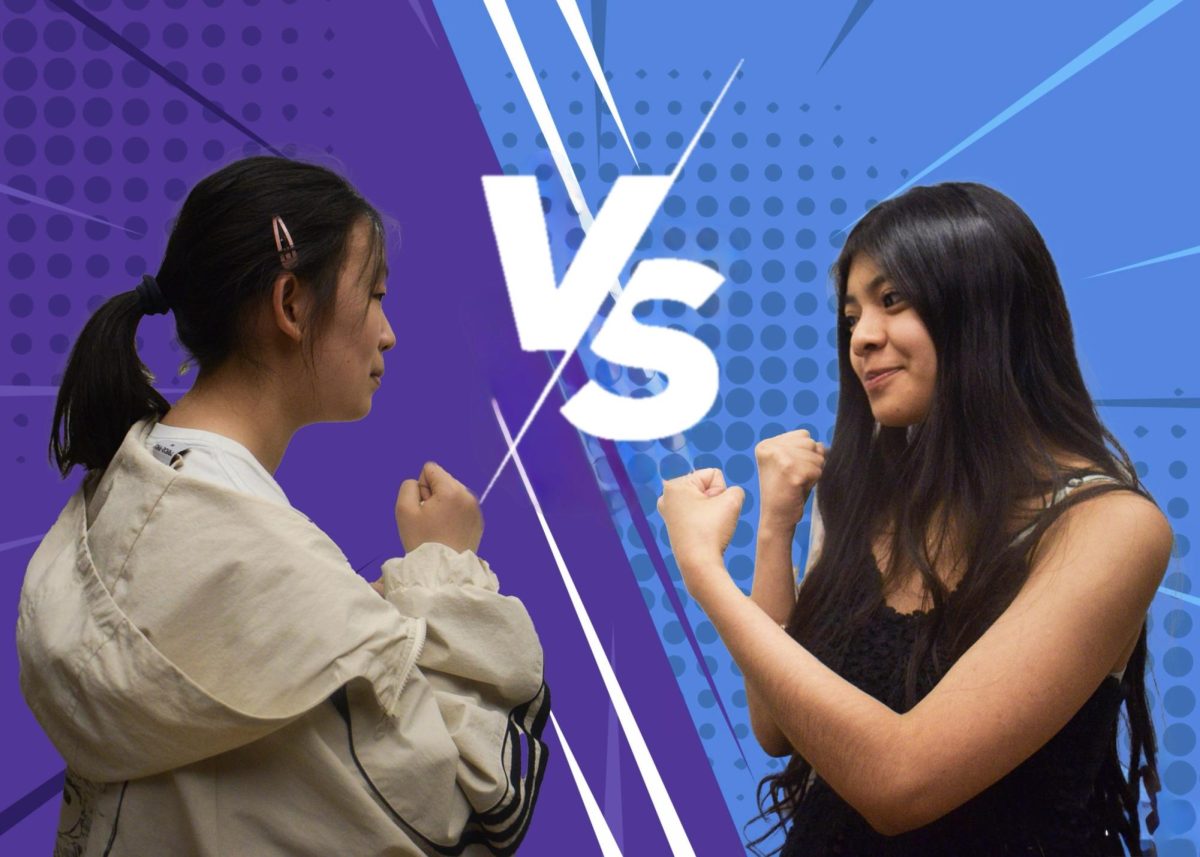
Every Boston Latin School student sits in homeroom and watches the yearly administration-produced video outlining the consequences of using AI applications such as ChatGPT or Google Gemini on school assignments. The School takes a firm “zero AI” stance for students in all cases, except when the teacher explicitly allows it. No such stance, however, is applied to teachers. As members of an educational institution aiming to create the most effective teaching force and provide the best education to students, the School ought to hold teachers to the same standards as students and forbid the use of AI for all.
AI limits student-teacher interaction, ultimately resulting in static teaching. All too often, the aspect of teachers learning from their students is overlooked. When teachers grade assignments, especially those in a humanities department, they are exposed to new insights. They also gain an understanding of their students’ skills and weaknesses and how they can improve their instruction. When the repetitive yet crucial aspects of teaching, such as grading, are outsourced, it results in teachers who remain fixed in their ways and irresponsive toward students.
The use of AI also quelches the interactions and relationships that compose the core of teaching. Teachers who occasionally engage with their students become disconnected from their primary role as educators. They lose motivation to do their best work, just as each unique student does when they themselves utilize AI. The role of a teacher, moreover, goes beyond education. Many teachers serve as mentors and role models for their students, so failing to set examples or build relationships with them can cause real, tangible harm for developing scholars.
Although AI is a powerful tool that will certainly revolutionize the world, the biases and inaccuracies that result from AI cannot be ignored when it concerns the education of society’s youth. Society should put the schooling of tomorrow’s leaders in the hands of trained professionals, not those of a novel computer program which frequently hallucinates facts. Teaching is a uniquely humanistic and impactful job that must be left to those present in the classroom every day.
Ask BLS: Should Teachers Be Able to Use AI?
-
Ms. Pamela Rose: “I use AI [for] generating rubrics [and] giving feedback. […] AI can help with [feedback] because if I say lack supporting detail, then it’ll create a sentence and even give me a suggestion for how [a student] can improve. […] And I am grading, like, 90 papers, [so] I don’t have time for that.”
-
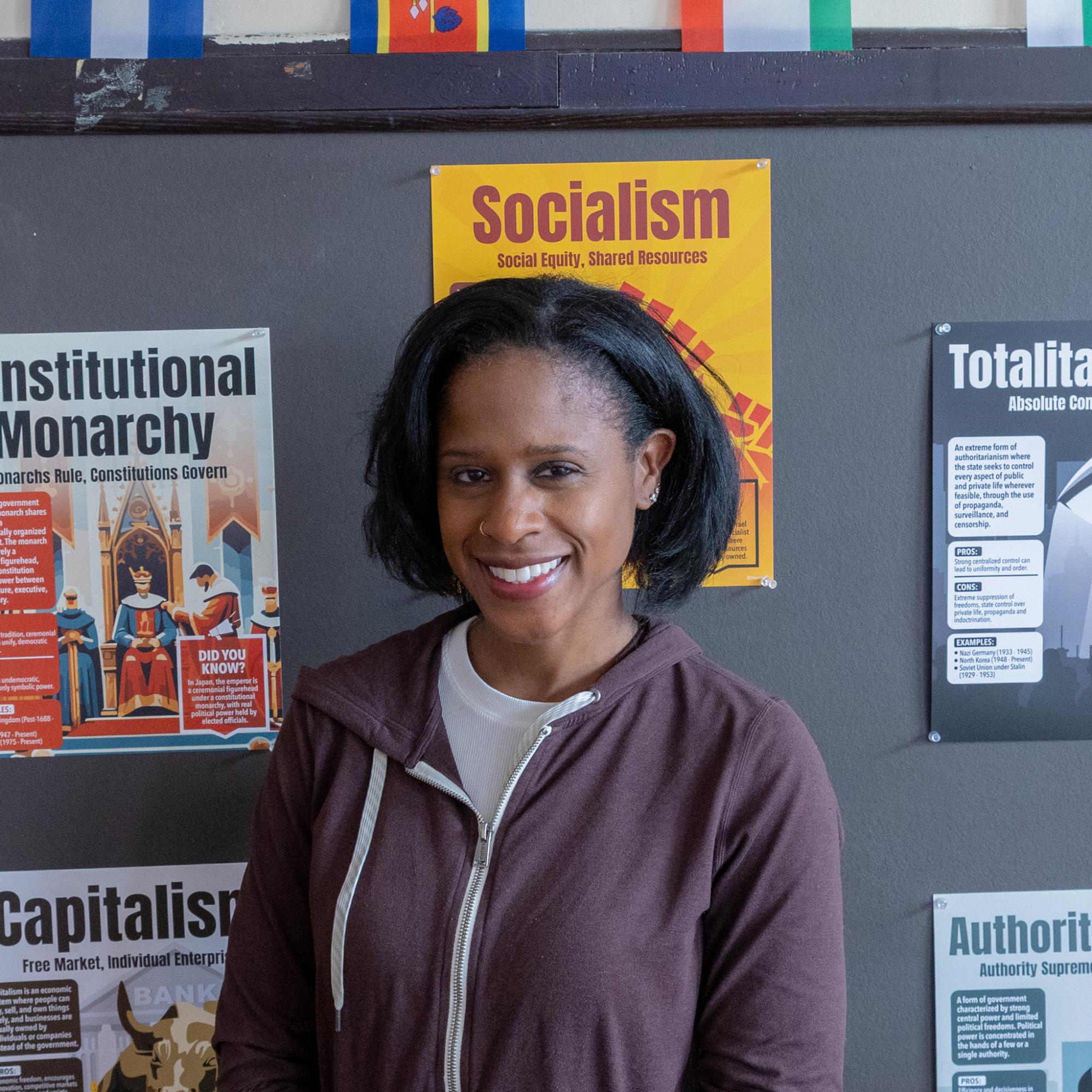
Ms. Jay Scott: “One of the nice things that AI does is [telling me the] little pieces [that] people need to understand this idea. And especially when the topic is simple and you’ve done it for a 100 years, you don’t actually see where somebody is going to trip and fall.”
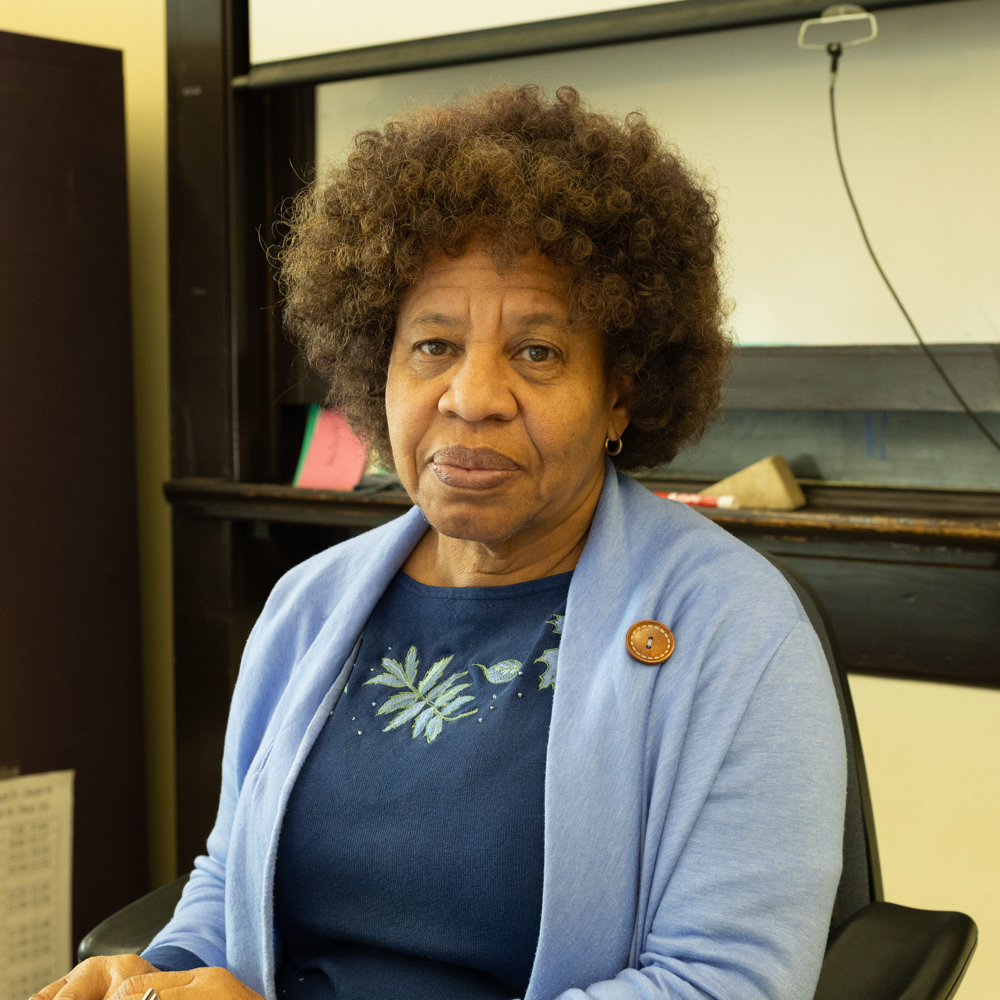
-
“I don’t think [one] should use AI in humanities-type classes […] because on either end of it, [for a] teacher or student, [the purpose of the class] is the process of writing it and reading it, not the actual thing.”

-
Charles Ellrodt (I): “I think instead of preventing AI use, we should be able to teach both teachers and students how to use it properly. It can be a good tool for learning when done well [but it can also be used in such a way so that] you’re not learning anything.”

-
Lucas Rapaport Liang (IV): “If we’re not allowed to [use AI], [teachers] shouldn’t [be allowed to] either. […] The whole problem with AI is plagiarism. So it would also be plagiarism for [teachers] to be able to use AI.”

-
John Fahy (V): “I think [teachers] shouldn’t rely on AI. […] They should just do it themselves, because […] grading for ELA and humanities is very subjective. […] If something is subjective, I would rather a human decide if it’s good rather than [an algorithm].”