Crack. Sizzle. Pop. The distinct sounds of energy drinks opening echo through the hallways of Boston Latin School. In recent years, energy drinks sales worldwide have increased dramatically. They have especially grown in popularity with the younger generations. Energy drinks serve as an easy solution for sleep-deprived high schoolers navigating their busy schedules. While many warn about the health risks, for exhausted teenagers, energy drinks are a necessary evil.
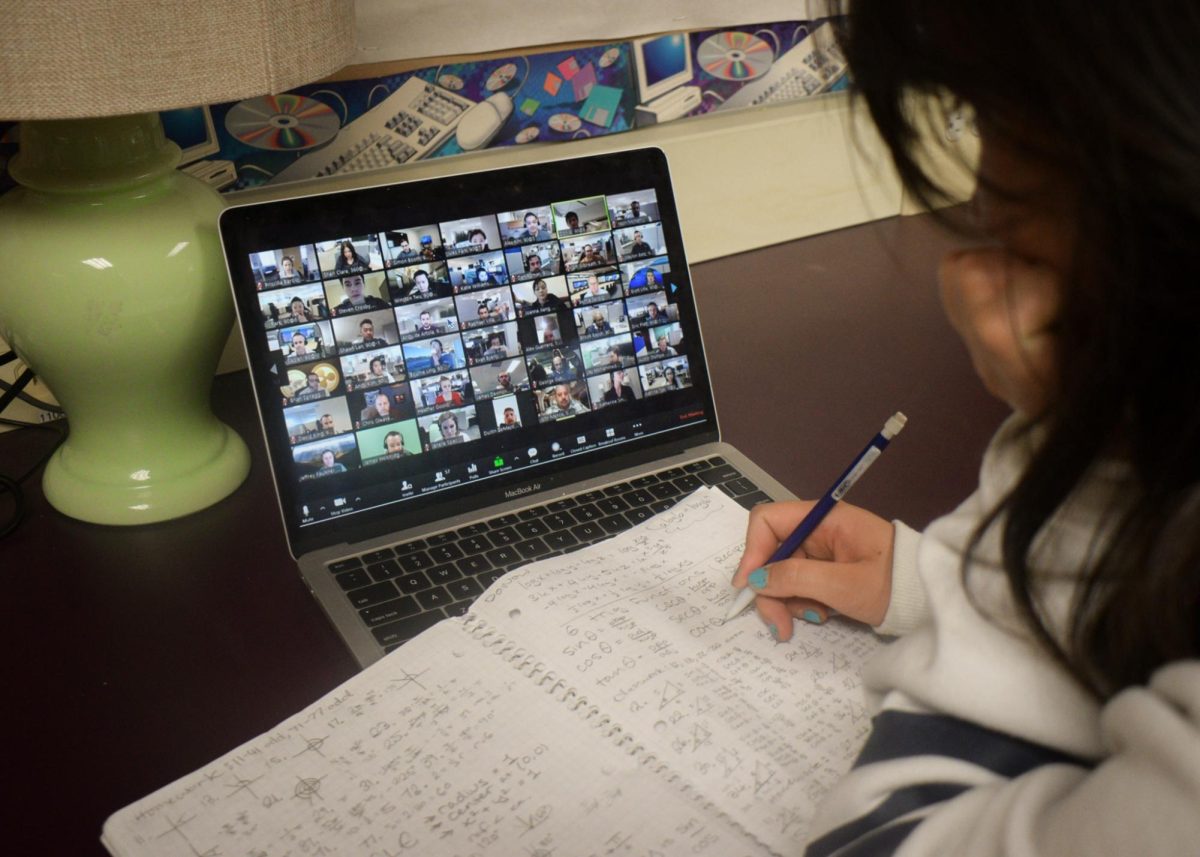
Because of BLS’s rigorous and fast-paced curriculum, students have immense workloads. Every day, students are swamped with homework, studying, projects and to top it all off, extracurriculars. Leo Margalit (III) says, “Many students […] don’t have enough time to lead a healthier lifestyle and sleep schedule.” Energy drinks greatly assist students by increasing their productivity and focus while they get through their never-ending to-do lists. The workload of an average BLS student can quickly become overwhelming, but energy drinks help students stay alert as they tackle it piece by piece.
The rise of energy drinks additionally reveals a deeper issue: students are under too much academic stress and pressure. Throughout high school, teens are constantly reminded that every grade and extracurricular dictates their futures. With such a competitive and high-pressure environment, it is understandable that they are sleep deprived. BLS AP Biology teacher Ms. Gina Castellanos explains, “I teach a lot of juniors and seniors, and I think the stress of the pressure from this building causes them to sleep less at nighttime, so they need that boost to get through the day.” Rather than condemning energy drinks alone, it is essential to focus on reducing the pressure teenagers face, so they do not feel the need to rely on them.
On a wider scale, the high convenience and instant energy boost of these beverages appeals to the fast-paced modern world. Similar to students and teenagers, teachers and adults depend on a beverage to help them manage their hectic work schedules and keep up their energy: coffee. Most people are familiar with the downsides of having it everyday, yet adults drink cofee anyway. Ava Phan (II) adds, “[Energy drinks] are trending with all their different flavors and advertisements in everyone’s faces.” We can’t get rid of them, and we shouldn’t try to. A part of modern consumerism is the concept that time is money. Energy drinks exemplify “grind” culture and are perfect for our busy world.
Many may argue that the overconsumption of these drinks poses serious health risks. After all, some students drink up to three cans a day. Anything can be harmful, however, if it is consumed in excess. We should instead focus on teaching kids how to regulate their energy drink intake. Moderation in consumption allows energy drinks to remain helpful, rather than becoming a danger.
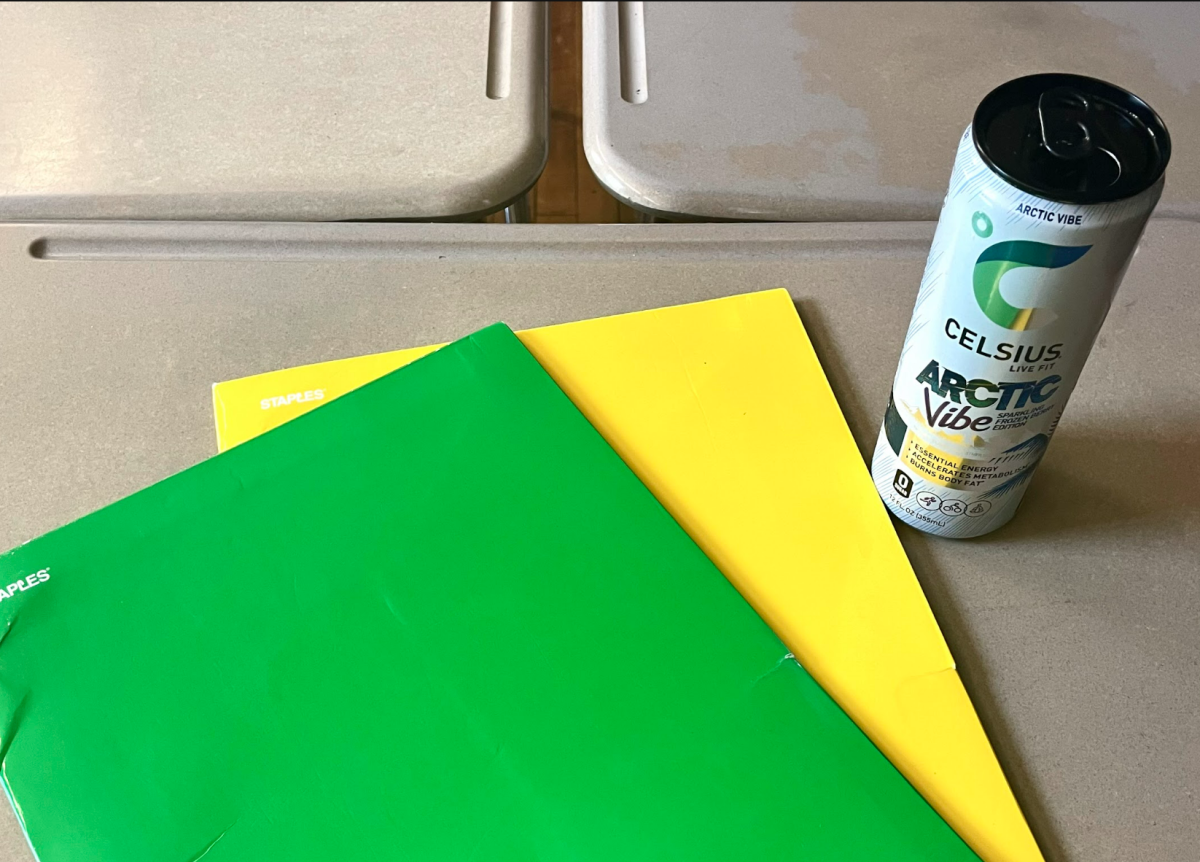
It is ultimately unrealistic to expect tired high school students to completely quit drinking energy drinks. Margalit emphasizes, “There’s always going to be a market for [energy drinks], because the more they’re available, the more inclined people will be […] to purchase them.” The crisp sound of these aluminum cans will remain a familiar noise in classrooms. Instead of chugging several cans every day, however, students should learn to be responsible about how much of these products they intake. So, the next time you reach for a Celsius or Red Bull, remember to drink responsibly.