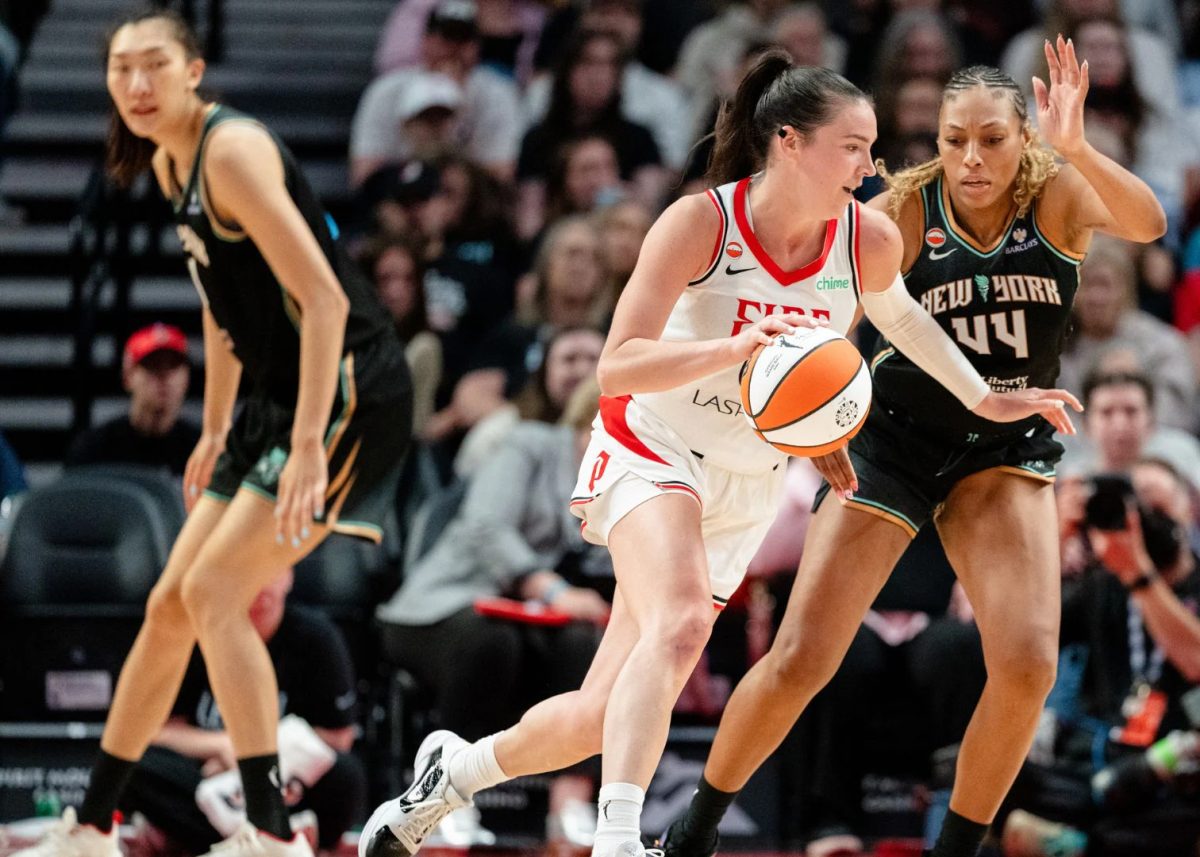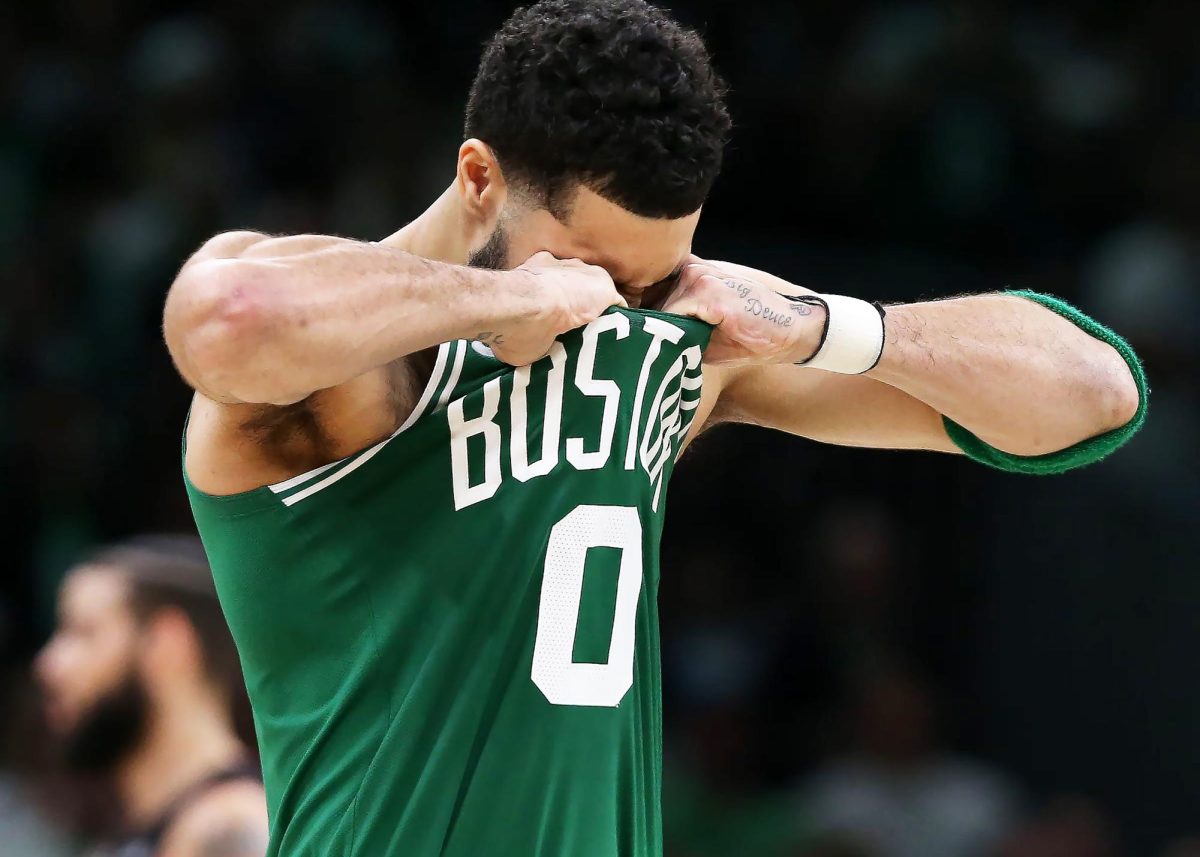
When Boston Celtics star Jayson Tatum tore his Achilles tendon, he faced a grueling recovery process filled with intense physical and psychological recovery that took almost a year. Just a single second in sports could be the end of an athlete’s career. A misplaced foot, an awkward landing or an abrupt impact with another player can cause severe and prolonged damage to an athlete’s body.
For athletes who dedicate hours every week to their sport, an injury is not just a physical setback, but it can also have large social and mental impacts on multiple spheres of their life. The psychological toll of an athlete’s impairment can also drastically affect their recovery and passion for their sport. Across a wide variety of sports, athletes have experienced the emotional and persistent pain that comes with getting injured. Whether they are student athletes or play professionally, every athlete faces the inevitability of getting an injury.
Injuries in sports can occur slowly or rapidly. Overuse injuries can creep up as a result of repetitive strain on certain muscles and can cause injuries such as stress fractures or tendinitis. For many athletes, unusual pain is often brushed off and treated with ice or simply ignored in favor of more playtime. In competitive environments and team-centered sports, the pressure to perform well and the fear of losing a spot on the roster can often cloud an athlete’s judgement about their body’s needs. This leads to a dangerous habit of playing through the pain, often causing the injury to become more extreme and long-term.
For Clara Harms (II), mild pain transformed into something much more severe during her time on the BLS Crew team. As an ex-gymnast of nine years, she had already suffered through mild back pain and tightness. This injury was exacerbated when she started rowing. For Harms, the back pain was not unusual, but one day, she woke up with numbness in her foot and suddenly realized that her discomfort could no longer be ignored. She later discovered that she had two herniated discs in her lower back, leading to her 14-month recovery process, during which she underwent surgery, physical therapy and endless, sometimes ineffective treatment options.
Harms’ injury did not affect her or the team socially because she was still able to attend races to support everyone, but she felt that “mentally, the injury felt a little discouraging, particularly as treatments were failing.” Despite these hardships, she still tried her best to remain positive and found over time that she had “grown to love rowing even more.” Harms believes that “sustaining an injury can either increase or decrease someone’s love for their sport,” as being forced away from the sport can cause someone to miss their sport, but the experience can also “be really demoralizing, and a person may end up resenting the sport for what happened.”
Apart from long-term injuries, acute injuries such as dislocated joints and fractures can occur immediately. During his sophomore year, BLS football player Henry McDonald (II) experienced this firsthand when his thumb folded under an opponent, pulling the bone apart from his tendon. Like Harms, his physical rehabilitation required extensive X-rays and a surgery, although the process was shorter in duration.
The physical effects of the injury, however, did not compare to the significant mental costs of the injury. McDonald states that it “sucked to have to watch my team play from the sidelines” and that the effects of his injury made it difficult for him to play at his full potential. His passion for football, however, only became stronger than ever because not being able to play made him realize how much he enjoyed and loved the game.
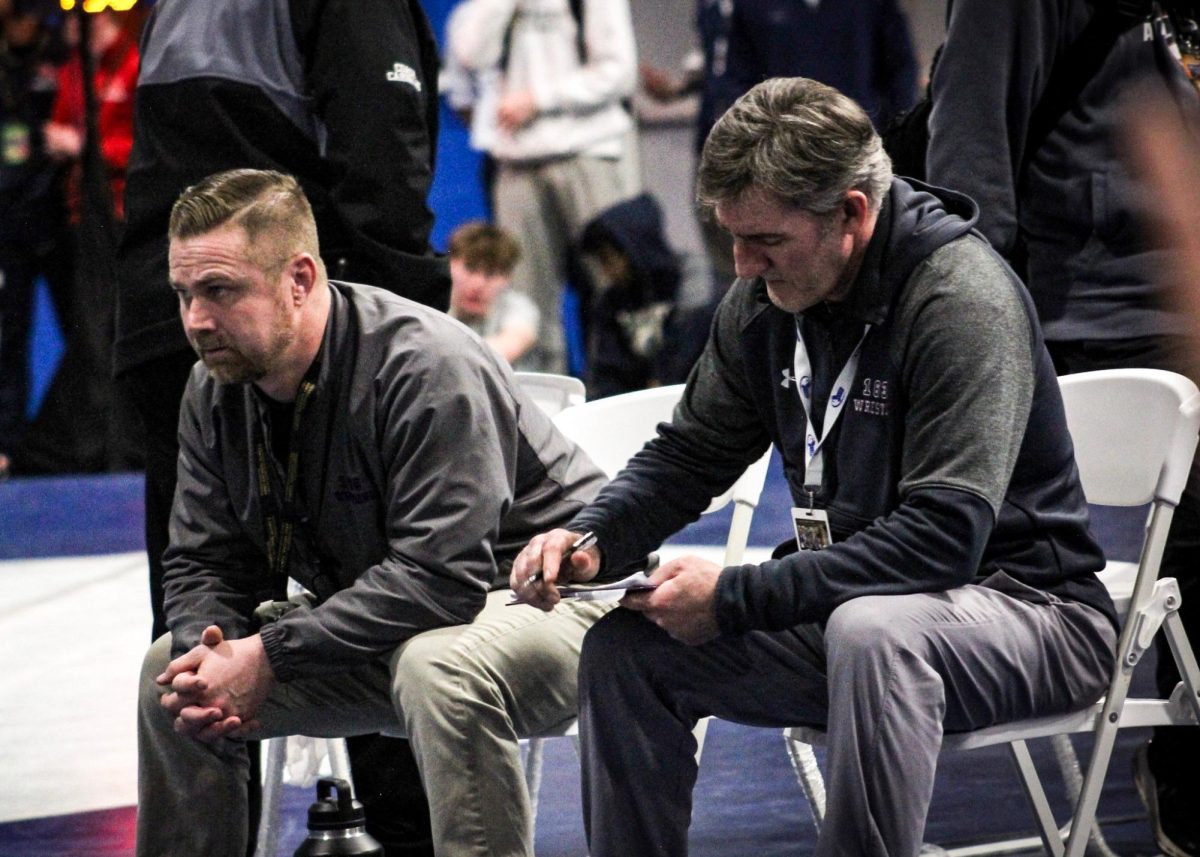
The pressure to push past physical limits often creates mental blocks among athletes. Wrestler Quinn Bowles (I) faced a similar mental battle after tearing his anterior labrum in his shoulder during his junior year at BLS. After a recovery time of around four months, he was able to return to the sport. During the season, however, the injury “made it extremely difficult for [him] to practice, and it was a large mental block during matches, limiting a lot of the techniques [he] could execute.”
Although some of his outcomes were not what he wanted, this experience allowed Bowles to see the bigger picture and understand why he loves the sport so much. While Bowles was recovering, he was still able to coach a youth wrestling class, helping him give back to the community.
Among these three student-athletes, they all agree that sustaining an injury can either strengthen or decrease one’s love for their sport, as it all just depends on perspective. For Bowles, the injury was not a major setback, but “an opportunity to help regain a love and passion” for wrestling. McDonald shares a similar perspective. He states that especially as high schoolers, “we have a limited amount of time to play the sport we love.” McDonald acknowledges that although injuries can cause athletes to lose their love for their sport, “injuries can also be incredibly motivating.”
The grueling reality of sports is that any injury has the potential to expand horizons and bring about motivation or completely end an athlete’s career. Injuries force athletes to undergo both physical and mental growth and rehabilitation, ultimately teaching student-athletes the true power of resilience and grit.
Categories:
The Comeback Journey from Injury
June 27, 2026
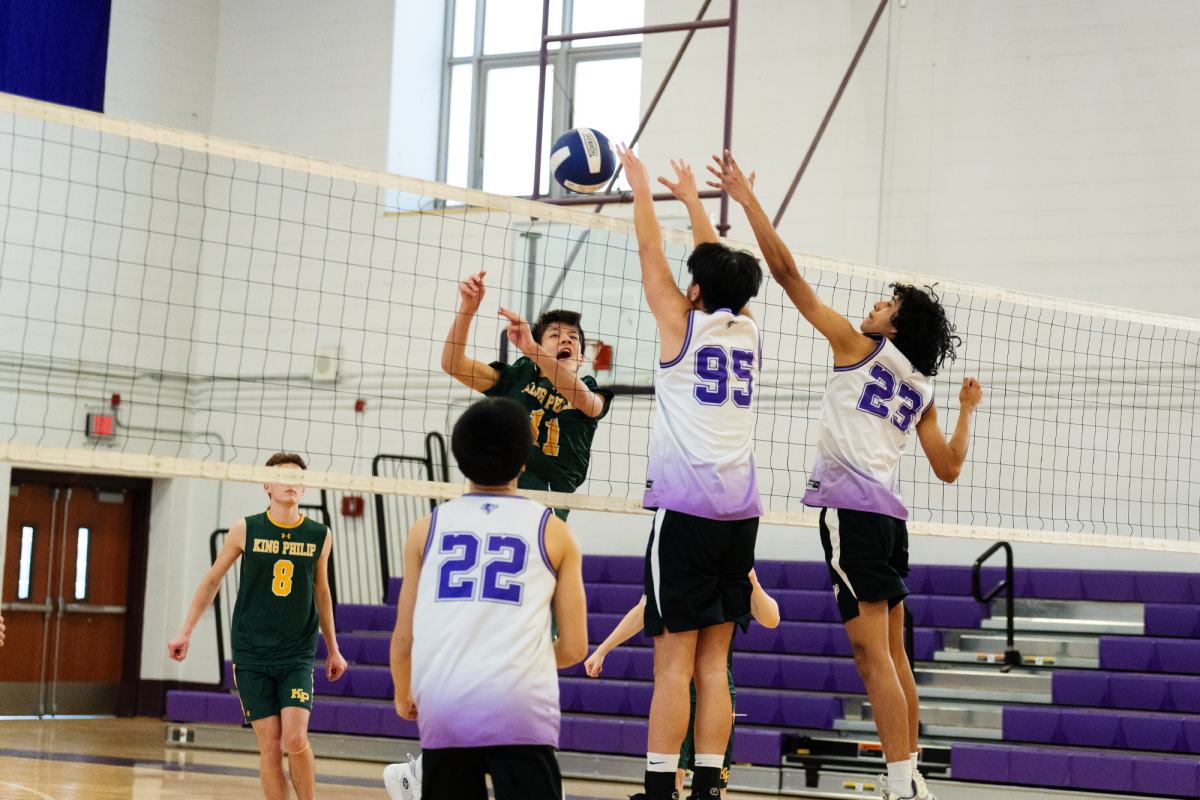
Michael Li ‘25 returns to play after spraining his ankle. (Source: Johnny Liang (II))
More to Discover