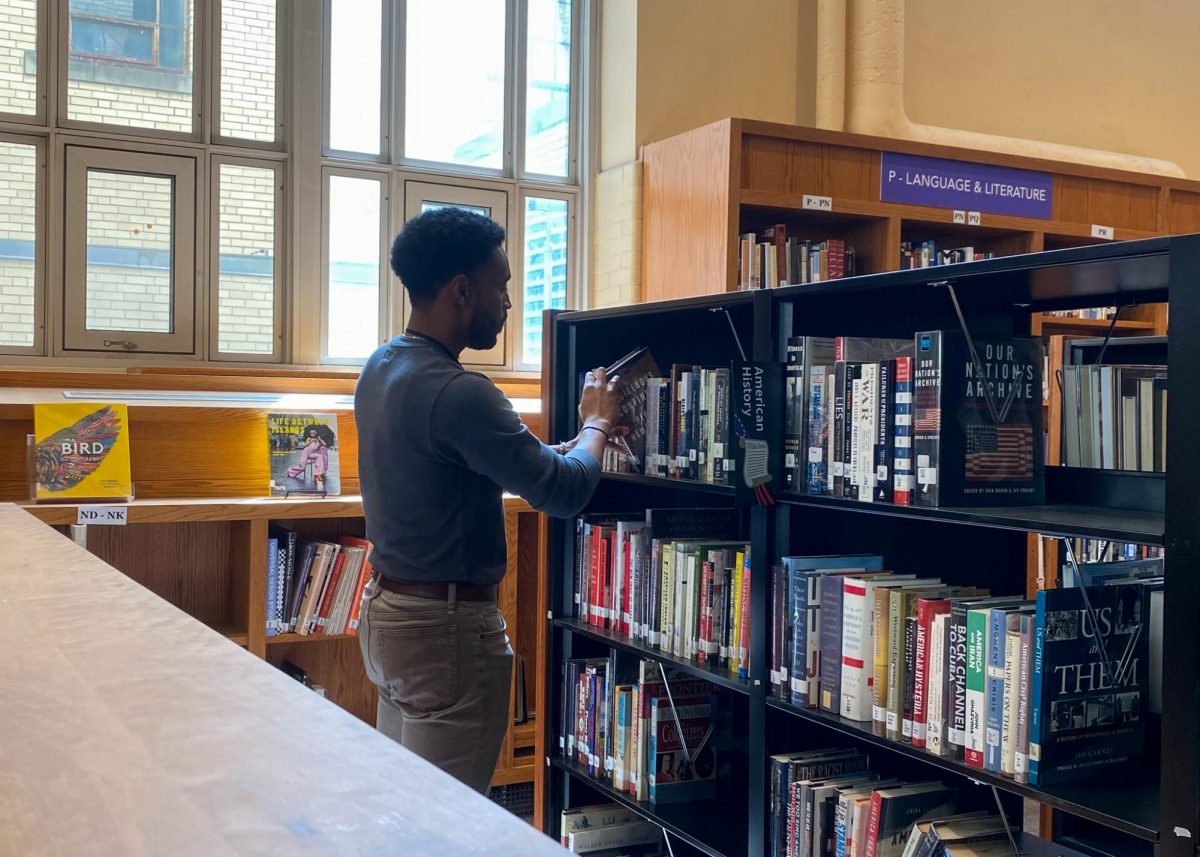
On April 8, Mayor Michelle Wu proposed a 5.5 million-dollar cut from after-school job programs in her budget proposal for 2027.
Due to recent fiscal challenges, the city is planning to cut the budget of the SuccessLink Youth Employment Program, which oversees after-school youth jobs. The program features jobs for the ages of 14 to 24 in areas like community centers, offices and public universities. Applications typically open during late September or early October and close around mid-December.
There are currently 1,800 youth employed in SuccessLink during the school year, but it is expected that those positions would be eliminated by the proposed budget cut for next year. Although this would mean less youth employment over the school year, the existing summer jobs program will be preserved.
Jobs during the school year offer a different approach to education. Students learn valuable skills like responsibility and communication instead of an orthodox textbook curriculum. Jobs likewise provide students important experience as they prepare to enter the professional workplace.
When asked about the importance of youth jobs, Ms. Dalela Andrade, Boston Latin School’s career specialist, comments,“School year jobs are helping students develop basic skills, basic work place etiquettes and just overall a different flow of what [students] are used to, [as opposed] to schooling.”
Boston is currently experiencing its smallest spending increase since the Great Recession, with a two percent increase from last year’s 4.8 billion dollars to a current budget of 4.9 billion dollars. The money cut from youth employment is not being allocated to another cause, but is instead being used to help the city recover from the rapid overconsumption of resources and the city’s already-drained money reserves.
Financial needs such as rising healthcare costs and a decrease in property tax revenue from new construction have financially impacted Boston. Massive snow storms doubled the cost of snow removal, while overtime costs for public safety have kept Boston tight on budget.
Youth jobs are far from the only initiative being impacted by the thin budget. Arts and culture programs, certain services for veterans and many other city departments and projects are receiving reduced funds compared to Fiscal Year 2026 under the proposed budget.
Boston officials have determined that youth employment programs during the school year cannot be prioritized given current fiscal constraints. Being a city rich in corporations and employers, officials are instead trying to raise money from private companies to fund these jobs.
Although school year jobs may be cut, students can also find employment in positions that are not subsidized by the city. Many private companies are offering internships or jobs in sectors such as research and nursing. Although the reduction of Boston funded jobs has limited opportunities, many other companies are still open to employment, just not in the same city-subsidized way.
On June 1, Mayor Wu announced a plan to redesign and expand school year jobs through a public-private coalition. The coalition will work to provide 2,000 part-time school year positions to Boston students aged 14-18. Key partners include the Greater Boston Chamber of Commerce Foundation, the YMCA and Artists for Humanity. While the creation of this initiative likely means that a fair number of young people will be able to find jobs during this upcoming school year, the increased reliance on private sector support differs significantly from previous years, as the City of Boston has generally subsidized youth employment directly.
Vinh Nguyen (II), a member of the Mayor’s Youth Council, remarks, “It is right for companies to help preserve these jobs, especially when the city may cut the funding for youth employment and opportunities. For many students, including myself, these jobs and opportunities are not just a source of income but a way to gain real-world experience.”
BLS students can expect to find work during the summer. Organizations like the Private Industry Council offer a variety of jobs in top industries for high schoolers over the summer. Attempts at reviving after-school jobs remain strong through collaborations with local organizations such as the YMCA or Artists for Humanity. City-subsidized organizations such as FutureBOS additionally provide work opportunities over the summer.
These programs allow students to gain firsthand job experience along with acting as a catalyst to their careers. William Tran (IV), a BLS student expecting to work a summer job, concludes, “It’s very important to work over the summer to gain experience and network with different people. It helps with building connections without constantly worrying about school at the same time [and] it allows students to work on their time management. [It also] helps students build a stronger resume for their future careers.”
Categories:
Boston Cuts School-Year Jobs
June 27, 2026
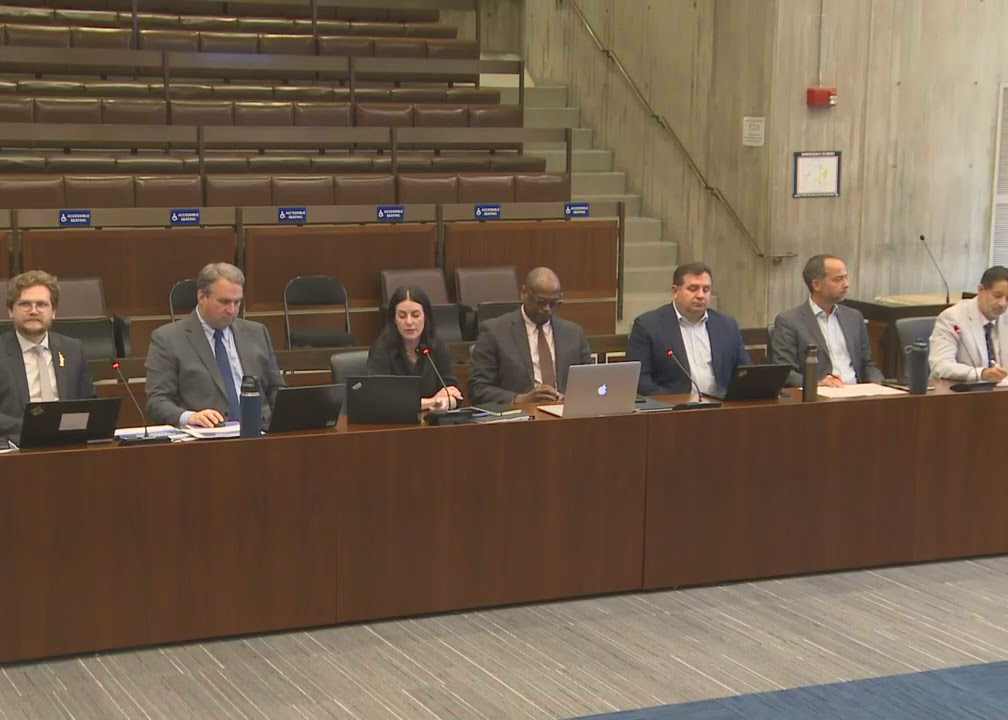
The Boston City Council discusses the budget for the next fiscal year. (Source: Boston City Council)
More to Discover