Sports have been a fundamental part of cultures across the globe, from the Olympic Games of Ancient Greece to the various ball games in Mesoamerica. Although their main focus ranged from religious worship to public entertainment, the sports were still difficult: athletes that specialized in these sports often faced numerous mental and physical obstacles, forcing them to be resilient. Centuries later, student athletes still grapple with how to reach their full athletic potential while having time left over to pursue the academic goals and hobbies they’re passionate about. If you’re struggling, use these few tips on how to maximize your success both in and out of the game.
Time management is a crucial part of having a successful life — there is no exception when it comes to sports. Boston Latin School students already have their schedules full to the brim; it is thus paramount to first figure out what your intentions with your sport are and then allocate time and effort to it accordingly. An athlete who intends to continue their sport in college and even pursue a career in that sport, for instance, would have to dedicate more of their time to it than an athlete who is simply doing it for enjoyment. A useful time management strategy is to do homework during transition periods throughout the day. Cheerleader Andrea Sarinana (II) asserts, “Utilizing time wisely is the best way to do it; instead of wasting time before practice, I try to get as much homework done in the library. That way, I can get home and only have a few assignments left.”
Athletes must also ask themselves how committed they are to their sport. As exhaustion and stress from managing school and other activities builds up, athletes start to burn out. It is important for athletes to stay consistent, as skipping one practice or training becomes more appealing the more it happens, inhibiting overall growth and progress. For this reason, relying on discipline rather than momentary motivation is the key to success in any sport; outdoor track captain Annabelle Bagley (I) states, “Commitment is so crucial if you are looking to get better and not only do you become a better athlete over time, but you also become part of the team community, which is equally as important.”
Proper nutrition is very influential to your performance in sports. The food that you put into your body helps determine whether you do well or not. When asked about his opinion on proper nutrition, varsity lacrosse player John Schult (VI) puts it simply: “You should be hydrated.” Your body uses water to regulate its temperature and make up for the water you lose through sweat. Water is incredibly important when people are exerting themselves during sports, and water can make people more energized and cognizant — an important factor when thinking through strategy mid-game. In the same vein of bodily processes, sleep is also essential to playing sports. When you sleep, your body repairs its physical injuries, a benefit varsity lacrosse player Camden Stuart-Shor (VI) keeps in mind. He shares,“I try to get as much sleep as possible.”
Most athletes strive to succeed in their sports at BLS; they would do whatever it takes to train their mind and bodies no matter their age. Schult and Stuart-Shor, for example, are both seventh graders on varsity teams, but they both express similar ambition despite their age. All athletes strive to make meaningful contributions to the team, and these tips might help underclassmen and upperclassmen alike. As with almost all passionate and ambitious athletes, their goal is to bring BLS to the championship.
Categories:
How to Meet Your Athletic Goals 101
May 5, 2026
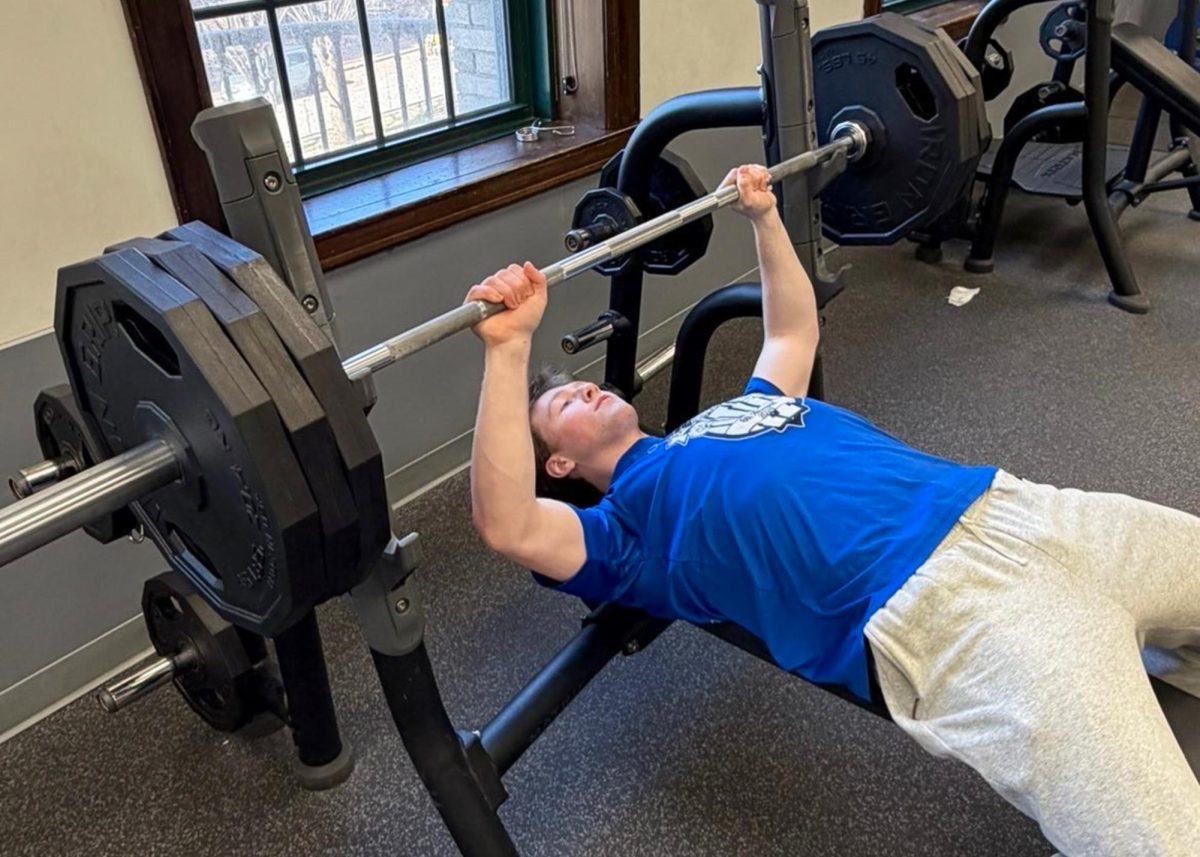
Anthony Lohan (II) perfects his bench press. (Source: Abubakor Abanoor (II))
More to Discover