South Africa
This February break, 15 Boston Latin School students and members of the staff and history department had the opportunity to travel to South Africa to learn about the language, culture and history of racial segregation in the country.
Led by BLS history teacher Ms. Cheralyn Pinchem, the team first landed in Johannesburg, South Africa’s largest city. Their first tour was of the Cradle of Humankind, a site which holds a large number of fossils and traces of human life and offers students an interactive display of the archaeological findings from this area.
They then learned about the history of racial segregation in South Africa when they went to the Apartheid Museum. Even before entering the museum, each student was given a ticket, which determined whether they were allowed into the “white” entrance with a ramp or the “black” entrance, where they had to go up steps, offering a powerful display of segregation even before entering the museum.
A highlight of their time in Cape Town was the students’ opportunity to visit a South African high school. Each BLS student was paired with a student from the Bloubergrant High School and followed them to their classes in order to experience student life in South Africa.
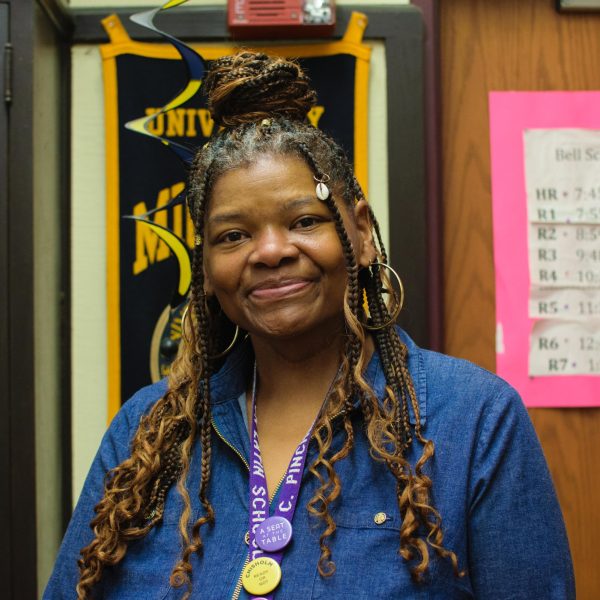
Ms. Cheralyn Pinchem
“I think that the best way to learn, in conjunction with the classroom, is outside the classroom. Go see for yourself what we’ve been talking about. We see pictures in the textbook; let’s go see them in person!”
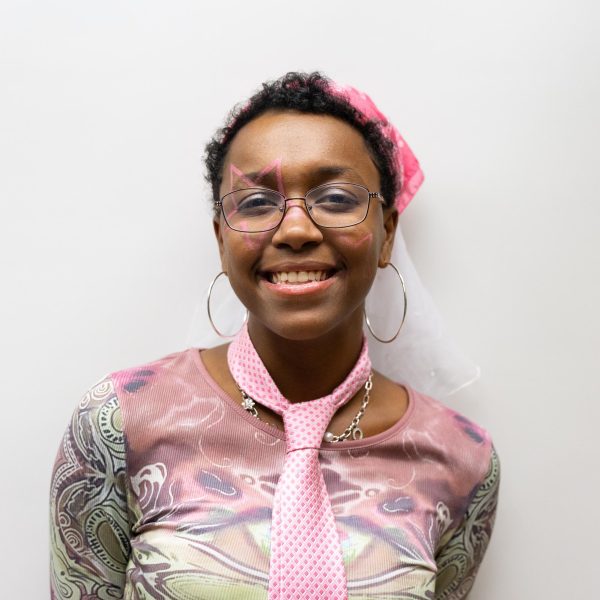
Sam Martin (II)
“I wasn’t close with anyone besides just knowing them from a few classes, but I feel like just rooming with people you don’t know or hanging out with people that you wouldn’t really hang out with is a good way to build community. I’ve made so many close friends on the trip.”
Kenya
14 BLS juniors and seniors embarked on a journey led by Science Program Director Ms. Kathleen Bateman to learn about the wildlife, ecology and culture of Kenya this past February break.
The group first arrived in Nairobi, the capital city of Kenya. There, they visited the Nairobi National Park, where they were able to observe various animals in their natural habitat, such as a lion hunting her prey, a journey of giraffes moving, zebras, hippopotamuses and several species of birds. They also visited Amboseli National Park, where they were able to see more animals with a spectacular view of Mount Kilimanjaro.
The team also traveled down to Tsavo West, Kenya. They visited Tsavo West National Park, with their lodge right next to a watering hole where groups of zebras, giraffes, wildebeests and baby elephants were frequent, giving them another opportunity to observe the wildlife on top of the many safari rides.
Afterwards, the BLS group went further south to Mombasa, a city directly on the east coast of Kenya. Here, they visited and learned about the history of Fort Jesus, which was built to control the port of Mombasa by the Portuguese. Finally, after seeing the diverse wildlife, meeting so many new people and learning about the history of Kenya, the trip ended with a ride on the Kenyan railway back to Nairobi.
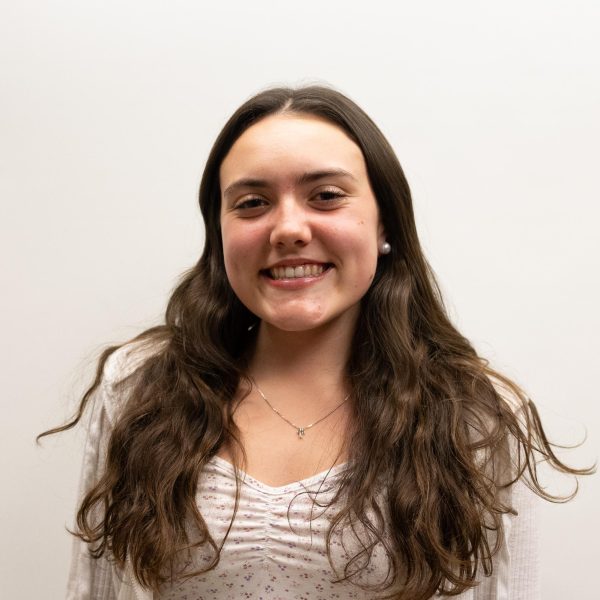
Annabelle Ahearn (I)
“Everyone was so kind and so welcoming and super friendly, and that was a really special experience. Being so far away from home and being greeted with such kindness was really nice.”
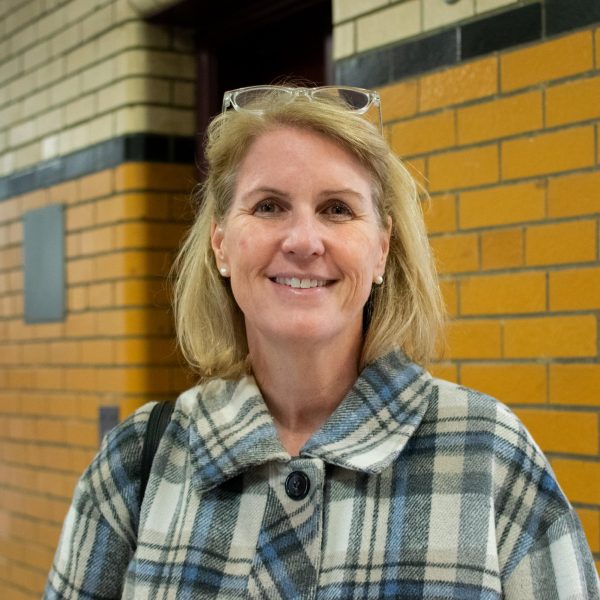
Ms. Kathleen Bateman
“I hope the students learned that they are capable of going anywhere in the world, and [they will] become lifelong travelers and learners. I hope they learned that ecosystems are very fragile and only with the good stewardship of humans can we preserve them.”
Italy
This past February break, a group of over 30 people from the BLS community, consisting of students who have or are currently taking Classics electives or Italian language courses, as well as Classics teachers Ms. Catherine Foley, Ms. Elizabeth Moguel, Mr. Patrick Finnigan and Spanish teacher Ms. Nicole Fernandez, jetted off to Rome and Sicily to bridge their knowledge from the classroom to real life.
The group first visited Rome for two days. They toured sights such as the Spanish Steps, Trevi Fountain, Piazza Navona, Roman Forum, Colosseum and the Lupa statue found on BLS’s seal.
From Rome, the group then went to Naples. The bay of Naples is home to Herculaneum and Pompeii, which are the best preserved Roman cities in the shadow of the eruption of Mount Vesuvius, written about in Pliny’s letter that students learn about in their Latin courses.
After visiting these sites, they took an overnight ferry to Palermo in Sicily for their last few days of the trip. The ferry’s schedule was unfortunately changed at the last minute, and the party was not able to see the Naples Museum, which holds the most famous artifacts from Pompeii and Herculaneum.
In Sicily, students visited the towns of Agrigento and Taormina and learned about the history behind Sicily’s colonization by the Greeks centuries before Rome controlled it, as well as the mixture of those two cultures with Norman, Arabic and Spanish influences.
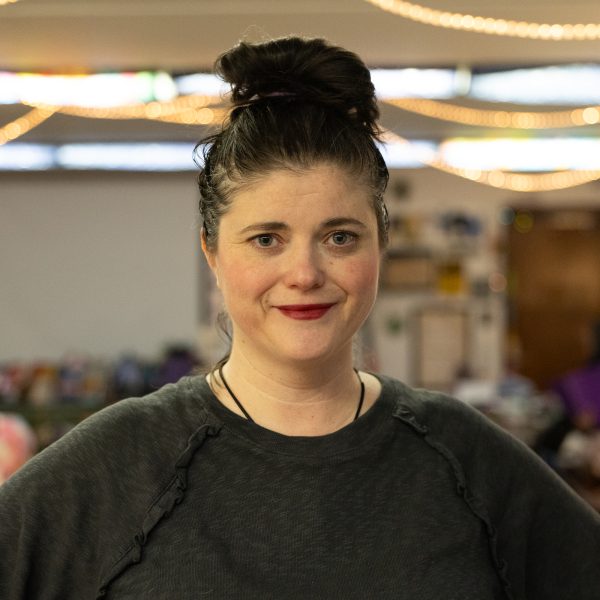
Ms. Catherine Foley
“The students didn’t know what to expect at some of these sites, and those were my favorite parts of the whole thing. I tried to hold myself back from saying a lot because I wanted them to experience it for themselves. And, I would say that this was probably the best group that I have travelled with because they were so willing to nerd out just like me.”
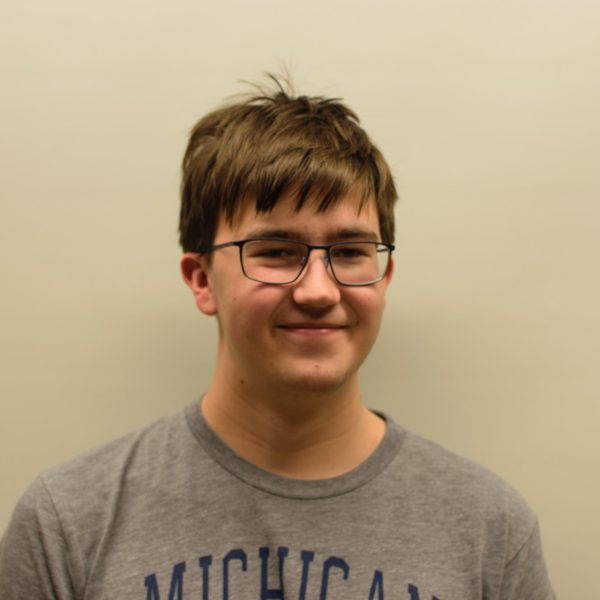
Joseph Hemr (I)
“It was such a wonderful experience to get to know everyone better by playing cards, talking on the bus rides or wandering through a Sicilian town. I will remember it for the rest of my life.”